Sweet & Savory: A Culinary Symphony of Roasted Delicata Squash and Raw Collard Greens
In the realm of salads, there are those that simply fill a plate, and then there are those that tell a story – a narrative of contrasting textures, harmonious flavors, and surprising simplicity. Our featured dish, the
raw collard green salad with roasted delicata squash, almonds, and parmesan, firmly belongs to the latter category. This isn't just a side dish; it's a vibrant, satisfying meal that cleverly balances the earthy bitterness of raw collards with the caramelized sweetness of roasted delicata, the satisfying crunch of toasted almonds, and the salty umami of shaved Parmigiano Reggiano. It's a testament to the idea that wholesome, healthy food can also be profoundly delicious and remarkably easy to prepare.
Forget the notion that collard greens must be cooked down for hours. This recipe celebrates their vibrant, fresh character, transforming them into a tender, flavorful base for an unforgettable salad. Paired with the seasonal delight of delicata squash, which boasts an incredible "no-peel" convenience for busy cooks, this salad offers a refreshing take on traditional comfort. Whether you're seeking a hearty lunch, a stunning vegetarian main course, or a unique side for your next gathering, this sweet and savory creation promises to impress.
The Magic of Delicata Squash: Why It's Your New Favorite
Delicata squash, with its charming cream-colored rind and delicate green stripes, is a true gem of the autumn and winter seasons. Often overlooked in favor of its larger, more intimidating cousins like butternut or acorn squash, delicata holds a secret weapon: its edible skin. That's right –
no peeling required! For anyone who's wrestled with a tough squash rind, this alone is a game-changer, making the entire preparation process significantly faster and more enjoyable. This effortless preparation is why this recipe is perfect for those looking for an
easy raw collard green salad for busy cooks.
Beyond its convenience, delicata squash offers a naturally sweet, nutty flavor profile that intensifies and caramelizes beautifully when roasted. Its tender texture, akin to a sweet potato, provides a wonderful contrast to the chewiness of the collards and the crispness of the almonds. Rich in vitamins A and C, dietary fiber, and potassium, delicata squash not only tastes good but also delivers a nutritional punch.
The Art of Roasting Delicata
Achieving perfectly roasted delicata squash is key to this salad's success. The goal is golden-brown edges with a tender, melt-in-your-mouth interior.
- Preparation is Minimal: Simply halve the squash lengthwise, scoop out the seeds (a spoon works perfectly), and slice it into ½-inch thick crescent moons.
- Oil and Seasoning: Toss the slices generously with extra-virgin olive oil and a good pinch of kosher salt. The oil helps with caramelization and prevents sticking, while salt enhances the squash's natural sweetness.
- High Heat is Your Friend: Roasting at 400°F (200°C) is ideal. Spread the squash in a single layer on a baking sheet, ensuring pieces aren't overcrowded. This allows for proper air circulation and browning, rather than steaming.
- Flip and Finish: Roast for about 15 minutes, then flip each piece and continue roasting for another 10-15 minutes, or until both sides are deeply golden and caramelized. The squash should be easily pierced with a fork.
- Cooling is Crucial: Allow the roasted delicata to cool to room temperature before adding it to the salad. This prevents the greens from wilting prematurely and helps the squash maintain its texture.
While delicata is our star, if you can't find it, butternut squash is a suitable alternative, though you'll need to account for peeling and a potentially longer roasting time.
Mastering Raw Collard Greens: From Sturdy to Silky
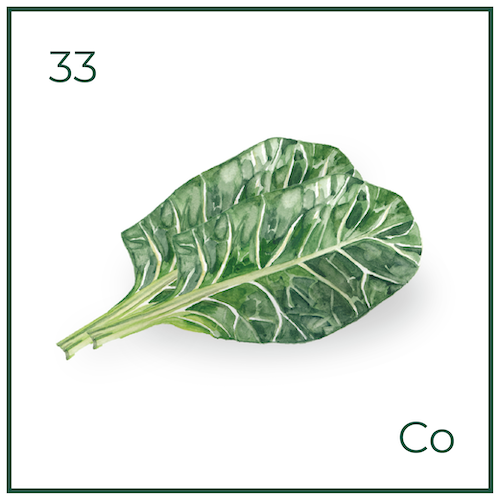
Many people associate collard greens with long, slow cooking, often in savory broths. However, when prepared correctly, raw collards offer a delightful chewiness and a slightly bitter, peppery flavor that adds incredible depth to salads. They are a nutritional powerhouse, packed with vitamins K, A, and C, as well as calcium and fiber. Learning how to transform their sturdy leaves into tender salad material is a skill worth acquiring.
Prepping Your Greens for Perfection
The secret to tenderizing raw collard greens without cooking them lies in a simple technique:
- Remove Tough Ribs: Start by washing your collard greens thoroughly. Then, remove the thickest central ribs. These can be too fibrous for a raw salad. You can do this by folding the leaf in half and tearing or cutting along the rib.
- Chiffonade Technique: Stack a few destemmed leaves on top of one another. Roll them tightly into a cigar shape, then use a sharp knife to slice crosswise, creating thin, ribbon-like strips. This elegant cut not only makes the greens easier to eat but also maximizes their surface area for seasoning.
- The Gentle "Pre-Wilting" Massage: Place the thinly sliced greens in a large bowl. Sprinkle them with a scant ½ teaspoon of kosher salt and ¼ teaspoon of granulated sugar (the sugar helps balance the bitterness). Gently toss them for a minute or two – no need for vigorous massaging like kale. The salt begins to draw out moisture, softening the leaves, while the sugar mellows their strong flavor. Let them rest for about 15 minutes. This subtle wilting creates a more palatable texture without sacrificing their vibrant freshness. For a full guide, check out our Raw Collard Green Salad with Roasted Delicata Squash Recipe.
If collard greens aren't available, lacinato kale (dinosaur kale) is an excellent substitute, offering a similar sturdy texture and earthy flavor.
Crafting the Perfect Balance: Ingredients and Flavor Profile
The genius of this salad lies in its thoughtful combination of ingredients, each playing a vital role in creating a harmonious whole.
The Tangy-Sweet Vinaigrette
The dressing ties everything together, providing a bright, tangy counterpoint to the richness of the squash and cheese. A simple vinaigrette made with white balsamic vinegar (or apple cider vinegar), fresh lemon juice, honey, and extra-virgin olive oil strikes the perfect balance. The honey adds a touch of sweetness that complements the squash and helps temper the collards' bitterness. It's designed to be on the sharper side to cut through the richness, but you can always adjust by adding more olive oil if preferred. A pinch of salt brings out all the flavors.
Crunch and Umami: Almonds and Parmesan
*
Toasted Almonds: Sliced almonds are gently toasted in a dry skillet over low heat until fragrant and golden. This process enhances their nutty flavor and creates a delightful crunch that contrasts beautifully with the tender greens and squash. You could also use pecans or walnuts for a different nutty note.
*
Shaved Parmigiano Reggiano: The king of cheeses, Parmigiano Reggiano, adds a salty, savory depth and a wonderful umami richness. Its firm texture means it can be shaved into delicate curls that melt slightly in your mouth. If you prefer, Manchego cheese offers a slightly different nutty, sheep's milk flavor, while Pecorino Romano provides a sharper, saltier kick.
Sweet Surprises: Golden Raisins
A handful of golden raisins or other dried fruit (like cranberries or chopped dried apricots) provides bursts of concentrated sweetness and a pleasant chewiness. This subtle fruitiness brightens the salad and complements the squash's natural sugars, preventing the salad from being solely savory.
Tips for Success and Delicious Variations
*
Make Ahead? The roasted squash can be made a day in advance and stored in the refrigerator, bringing it to room temperature before assembly. The collard greens can also be prepped and "pre-wilted" ahead of time. However, it's best to dress and assemble the salad just before serving to prevent sogginess.
*
Temperature Matters: This salad is best served at room temperature. The flavors meld beautifully, and the textures are at their prime.
*
Add Protein: For a more substantial meal, consider adding grilled chicken, roasted chickpeas, or cooked quinoa. This transforms the salad into a complete and satisfying entrée.
*
Herbaceous Boost: Fresh herbs like finely chopped parsley, chives, or a hint of fresh thyme can add another layer of aromatic flavor.
*
Spice It Up: A pinch of red pepper flakes in the dressing or tossed with the squash before roasting can introduce a subtle warmth.
*
Seasonal Swaps: In spring, consider adding segments of fresh orange or grapefruit for a citrusy tang, or crumbled goat cheese for creaminess. In winter, pomegranate seeds can add a beautiful color and tart burst.
This salad is a testament to the fact that healthy eating doesn't mean sacrificing flavor or excitement. It encourages you to embrace seasonal ingredients, experiment with textures, and discover the joy of combining seemingly simple components into something truly extraordinary.
Conclusion
The
raw collard green salad with roasted delicata squash, almonds, and parmesan is more than just a recipe; it's an experience. It celebrates the often-underestimated beauty of raw greens, the effortless charm of delicata squash, and the power of a well-balanced vinaigrette. Each bite offers a delightful interplay of sweet, savory, tangy, and crunchy, making it a genuinely memorable dish. Whether you're a seasoned chef or a "lazy cook" looking for delicious shortcuts, this salad proves that nutritious, gourmet-level meals are well within reach. So, go ahead, embrace the season, and prepare to fall in love with this vibrant, satisfying culinary creation.